Your Memoir Gave Somebody Else the Best Role
/A relationship memoir loses its center when the other person owns every revelation. Point, interiority, and a wider life bring the writer back.
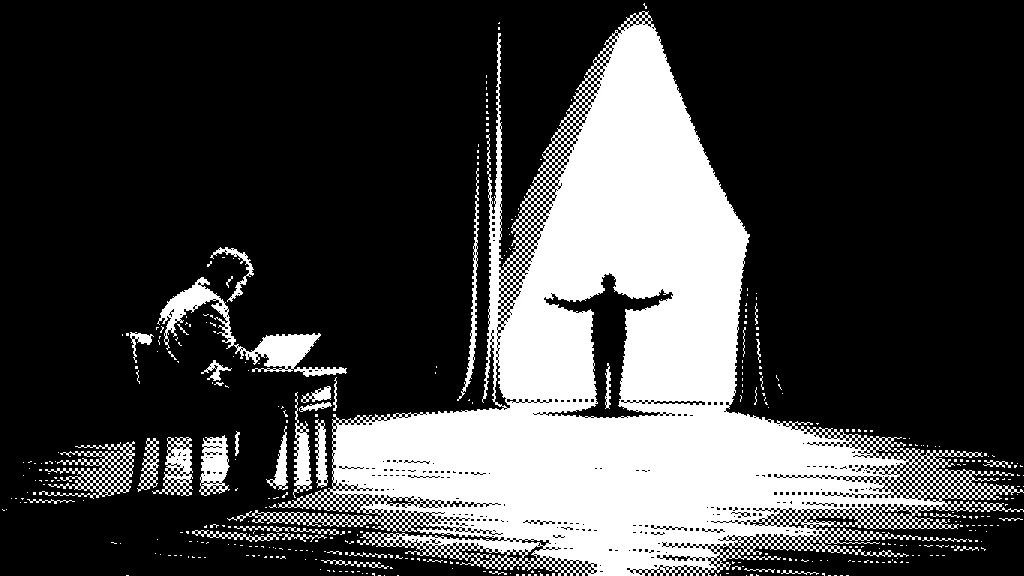
TL;DR: A relationship memoir belongs to the writer whose life changed, even when the other person caused the damage, carried the glamour, or left the larger crater. Sharpen the point, widen the writer’s world, and put their private processing back on the page.
He gets the secret family, the brilliant cruelty, the second apartment, and the line everybody will quote in reviews.
You get a reaction shot.
I spent eleven years behind four feet of lit glass watching what people actually reach for, and it was never the most interesting man in the book. It was the woman who wanted something and paid for it.
Romance gets sneered at over the promise. The promise is the discipline. If the ending is guaranteed then the only thing left to earn is the cost, and a book that cannot make the cost real has nowhere to hide.
A memoir that hands the crater to somebody else has the same problem and none of the protection.
That is how a memoir can demote its own author. The other person looms so large that every scene waits for them to enter, speak, betray, recover, relapse, or leave. Jennifer Landau names the problem in her Jane Friedman essay on centering your story.
The relationship can supply the premise while the memoir’s point and transformation still belong to the writer.
The memoir belongs to whoever makes the consequential choices
The memoir belongs to whoever makes the consequential choices and changes in ways the reader can track across the book.
Count the turns, not the pages. The other person may occupy most scenes. If every revelation concerns their hidden life while the narrator observes from the doorway, the book has chosen a protagonist and forgotten to put their name on the cover.
Ask what the narrator wants before the relationship exerts pressure. Then ask which choice becomes impossible to avoid. Leaving can be a choice.
Staying can be one. Learning to stop interpreting every silence as a verdict may carry more story than discovering one additional affair.
The narrator also needs agency before they possess wisdom. A younger self can misunderstand, bargain, freeze, or make the wrong move. The page should let that person want something with enough force to create trouble.
Retrospective clarity cannot do all the driving.
Readers will follow a flawed desire. They cannot follow a witness stand for three hundred pages.
The premise is what happened, the point is what you understood
The premise names what happened, while the point names what the writer came to understand about living through it.
Landau uses Homeschooled by Stefan Merrill Block. Its premise involves a controlling mother who removes him from school. The organizing movement is his gradual break toward an independent life, including the knowledge that living it will break his mother’s heart.
The point chooses which true scenes belong. A complete relationship contains grocery receipts, private jokes, illnesses, vacations, and arguments whose factual accuracy does not earn them space. The memoir needs the incidents that alter the writer’s relation to the central question.
This can feel like betrayal because lived relationships refuse clean arcs. Memoir is selection. The ethical work lies in representing the chosen material honestly, granting complexity where the record supports it, and resisting the temptation to use another person’s worst hour as lighting for your best paragraph.
A point also saves the book from prosecution by anecdote. New evidence about the other person may be fascinating. If it does not change the narrator’s movement, it belongs to a different book or the locked note where all dangerous darlings go to smoke.
How does a writer widen the world without losing the relationship?
A writer widens the memoir by including work, friendship, place, desire, and earlier history that reveal who the narrator is beyond the central relationship.
Landau points to Gail Caldwell’s Let’s Take the Long Way Home, about her friendship with writer Caroline Knapp. Caldwell allows long stretches of her own life onto the page. The friendship remains present through echoes, contrasts, and the person Caldwell becomes after Knapp’s death.
A relationship should reverberate through a life, not replace it. The new job matters because the narrator hears an old warning in the interview. A date matters because nobody across the table resembles the former spouse. A political choice does the same work, violating a family script nobody agreed to out loud.
Side characters need more than utility. A friend who exists only to say the narrator deserves better is a customer-service chatbot in earrings. Give that friend a want, a limit, and the right to be tired of the same midnight call.
The wider world also changes pacing. A painful relationship can become airless when every chapter returns to the same locked room. Work, appetite, humor, sex, bad hair, and somebody else’s emergency let the reader feel what remains alive around the wound.
What does interiority add to a relationship memoir?
Interiority shows the narrator processing events in the moment, including the gap between what they say, what their body does, and what they understand.
Landau borrows agent CeCe Lyra’s distinction: narration can report information, while interiority grants access to the protagonist’s partial processing of it. That partial quality matters. A person inside a damaging relationship rarely names its whole shape while breakfast is getting cold.
The private contradiction is often the scene. She says the apology is enough and notices she has kept her shoes on. He agrees to stay and begins inventorying which books fit in one box. The body has reached the next chapter before the mouth.
Avoid a medical catalog of sweaty palms and sinking stomachs. One precise sensation can expose the split. The gorgeous sunset makes the narrator nauseated.
A familiar perfume at the wrong doorway loosens one knee.
I sold books for eleven years to women who walked in already knowing the ending and bought it anyway. Not one of them came for the man. They came to watch somebody decide she was worth the trouble.
The other person may still get the most dazzling entrance. Let them. The narrator owns the exit, even if it takes two hundred pages to touch the handle.
Frequently asked questions
Can a memoir center the writer if another person caused most of the events?
Yes. Center the writer’s desires, choices, processing, and transformation while representing the other person’s role with factual and ethical care.
Does centering yourself mean making the other person a villain?
No. A clear point can leave room for the other person’s history and contradictions. Centering determines whose change organizes the book, not who receives sympathy.
How much interiority should a memoir include?
Use enough to show how the narrator processes consequential moments. Keep it attached to action, sensation, and choice so reflection does not stop the story.
Comments are open to members. Sign up free →