The Underground Creator's Bible Is Three Small Books
/Austin Kleon's three thin books run the whole creative cycle: steal your influences on purpose, leave a trail between releases, and outlast your own mood.
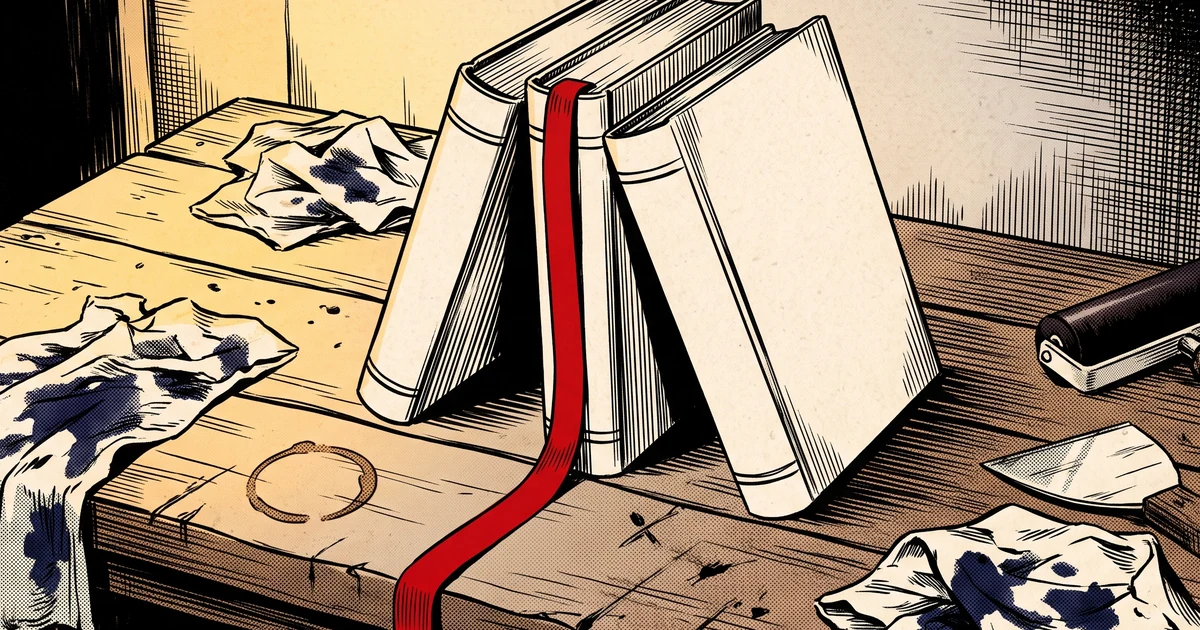
TL;DR: Kleon’s three books split creative work into three separate jobs, and each one fails in a different way when you skip it. Read them in whatever order your practice is currently breaking.
The closest thing the underground has to scripture fits in a coat pocket and never once asks anybody to manifest a goddamn Lamborghini. Austin Kleon’s trilogy. Thin enough to mistake for encouragement.
Under the drawings sits an operating cycle: take influence, expose process, keep the practice breathing through weather that has no interest in your release schedule. I was running that cycle before I knew anybody had written it down.
Kept notes on my own processes for years, got them together, turned them into field guides, and put them on the site free because the waitress and the retail kid and his mom at the factory can’t drop three hundred dollars on a course whose only product is the next course. The creator crowd tells me that’s leaving money on the table. It is.
Money on the table is the whole racket, and it’s bullshit. I can live with an empty table a helluva lot easier than I can live with billing that waitress three hundred dollars for a PDF.
I keep coming back to these three books because I’ve run the cycle wrong in every direction at least once, and I’d rather get corrected than flattered.
Steal Like an Artist hands you an ancestry
Nothing arrives in this world without parents. The work you love came out of other work, and the fastest road to your own runs through the cemetery, asking dead people better questions than the living ones will sit still for.
Kleon’s argument is that you choose your influences deliberately, chase them back to their own sources, and run the whole mess through your particular life until it comes out the far side wearing your face. He tells creators to write the book they want to read, use their hands, protect the side project, and subtract whatever doesn’t belong.
The permission matters because originality anxiety has people sitting on their hands waiting for a thought with no parents, and that thought ain’t coming, and while they wait the ones who understood the assignment are three books deep and stealing better. Nobody is holding a seat for them.
Every guide I’ve written started as somebody else’s idea that I stripped to the frame and rebuilt for people who can’t afford the original. I don’t lose any sleep over the ancestry.
Show Your Work! asks for the trail
Between releases there’s a long stretch of nothing, and the nothing is where most independent operations die of silence. Kleon argues that discovery grows out of sharing small pieces of work in motion, teaching what you know, telling a decent story about it, opening the cabinet of curiosities.
The trail is small. A source, a failed cover, a field note, a tool that broke on a Tuesday and took the whole afternoon with it. Finished things arrive slow in independent publishing, so a stranger who finds you has nowhere to walk in until the sales page shows up months later already asking for money.
I log a build entry every time I change something on the network for that exact reason, and about half of what I post between products is me screwing something up out loud. You can rent somebody else’s reach instead, and most do, right up until the landlord raises it.
The rot sets in when the process becomes its own product. If the desk only gets photographed to prove it’s being sat at, the work has hired a full-time impersonator and gone home for the day.
Keep Going protects the ordinary Tuesday
The exciting day is easy. The day after it decides the career, and that day is boring, and nobody sells tickets to boring.
Kleon leans on routine, seasons, attention, rest, and staying an amateur in the older sense of the word, which meant a lover before it ever meant a beginner. I’ve made my own noise about the word amateur and I’m not tired of it yet.
Telling somebody to keep going when the money ran out, or the body quit, or they’re standing in a funeral home at ten in the morning, is a shitty thing to say. It’s a worse thing to hear.
The book’s useful version allows for cycles, and Kleon writes about seasons for a reason. Stop, clear the ground, change the scale, come back at it sideways through a door you left unlocked on the way out.
Three paperbacks beat one enormous doctrine
Theft solves the blank page. Sharing drags strangers in off the street, some of whom you would not have invited. Continuation is the part that turns both into a life instead of a campaign that ends the week the launch does.
Each book corrects the others. Steal without sharing and you’ve built a private archive, share without making and you’ve built content, keep going without renewal and you’ve built a factory that produces one product forever, until the machine starts making the wrong sound and nobody left on the floor remembers what the right sound was.
A doctrine the size of a phone book does nothing for a two-person operation running out of a spare bedroom. A few sentences within reach of the bench will do, which is the same argument I keep making for the smallest thing that sells.
I’ve been running this operation for years and I can’t settle which side of that line I land on when I post a picture of the desk instead of sitting at it. Trail, or impersonator? Which one was I doing on Tuesday?
Sources
Frequently asked questions
Which Austin Kleon book should I read first?
Read whichever one matches the break. Steal Like an Artist when the page is blank, Show Your Work! when the room is empty, Keep Going when the years get long.
Does sharing process mean posting every day?
No. Post the honest pieces at a pace that doesn’t eat the work they’re supposed to be advertising.
Is the trilogy only for visual artists?
No. Writers, musicians, publishers, and designers get the same use out of it. The drawings are the packaging.
Comments are open to members. Sign up free →